

Early Intervention in ABA Therapy
Early Intervention with Applied Behavior Analysis (ABA) therapy is a comprehensive and individualized approach for young children, typically under the age of five, who are showing signs of developmental delays or have been diagnosed with Autism Spectrum Disorder (ASD). The goal of Early Intervention is to provide support and teach crucial skills at the most critical time of development to promote long-term positive outcomes.
- Focuses on developing essential life skills such as communication, social interaction, and daily living activities.
- Utilizes play-based and naturalistic teaching strategies to make learning fun and engaging.
- Emphasizes parent and caregiver training to ensure consistency and support across all environments.
- Aims to reduce challenging behaviors by teaching functional alternative skills.
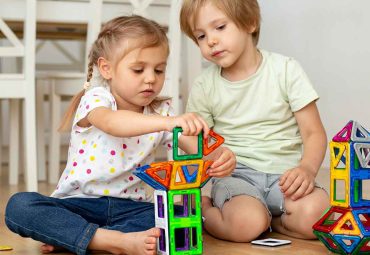

Building a Foundation for a Bright Future
ABA-based Early Intervention programs are not one-size-fits-all. Each child’s program is uniquely designed by a Board Certified Behavior Analyst (BCBA) to meet their specific needs and goals. By starting therapy early, we can capitalize on the brain’s high level of neuroplasticity during the first few years of life, making it easier for children to learn new skills and adapt.
Our programs focus on building functional communication, improving social and play skills, increasing independence in daily routines, and preparing children for a successful transition to school and other social settings.
Early Intervention ABA therapy is designed for young children who have been diagnosed with or are at risk for developmental delays, particularly Autism Spectrum Disorder. It is most effective when started as early as possible, often between the ages of 2 and 6.
It helps by using evidence-based strategies to teach foundational skills. Therapists break down complex skills into smaller, manageable steps and use positive reinforcement to motivate the child. This process helps children acquire new abilities and reduce behaviors that interfere with learning.
Therapy can address a wide range of skills, including verbal and non-verbal communication, social skills like sharing and turn-taking, potty training, feeding, and pre-academic skills like matching and following instructions.